
What Are The Manoeuvres In The Driving Test?
Passing your UK driving test is a huge milestone, and one of the most important skills you’ll need to master is the manoeuvres in the driving test. Many learner drivers worry about this part of the test, but with the right knowledge and practice, you can feel confident and prepared.
At Birchwood Motor Centre, we understand how important it is to have a car that makes practising these manoeuvres easier. Whether you're looking for a first car or a reliable used vehicle, we have a range of options perfect for new drivers.
So, how many manoeuvres are in the driving test? And what exactly do you need to prepare for? Let's break it down.
What Are Driving Test Manoeuvres?
In the UK, manoeuvres in a driving test are specific exercises designed to assess your ability to control the car safely and accurately. These manoeuvres test your steering, observation, spatial awareness, and precision—all key skills for everyday driving.
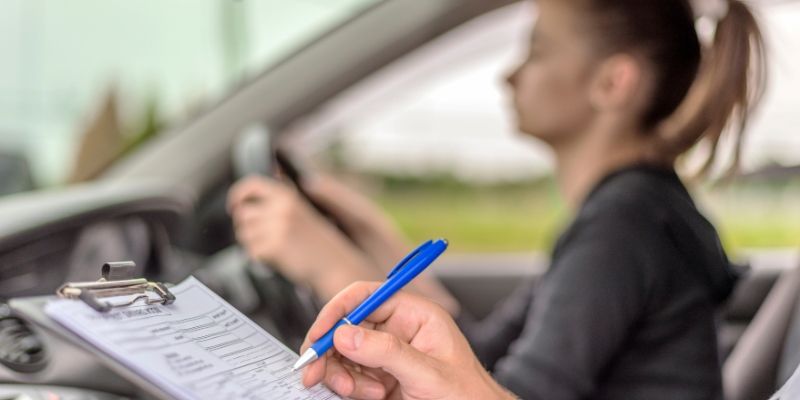
During your practical driving test, your examiner will ask you to complete one of these manoeuvres at random. That means you won’t know which one will come up, so it's important to practice them all in advance.
Why Are Driving Test Manoeuvres Important?
Purpose in the Driving Test
The manoeuvre in the driving test is designed to ensure that you can safely and confidently control the car in different real-world situations. Examiners will assess your ability to:
Check your mirrors and blind spots before moving.
Steer accurately and maintain control.
Use proper judgement when reversing or parking.
Real-World Relevance
Once you’ve passed your test, these manoeuvres will be essential in everyday driving. Whether you're parallel parking on a busy street, pulling into a tight space, or reversing safely, mastering these skills will make you a confident driver.
Test Anxiety & Confidence Building
Many learners find completing the manoeuvres in the driving test challenging, but remember—practice makes perfect. If you're struggling, choosing a compact, easy-to-drive car can make a big difference. At Birchwood Motor Centre, we offer a range of small, practical cars ideal for learners who want to perfect their driving skills.

How Many Manoeuvres Are in the Driving Test?
During your driving test, you’ll be asked to complete one of the following manoeuvres:
Bay Parking (Forward or Reverse)
Parallel Parking
Pulling Up on the Right
Additionally, you may be required to perform an emergency stop, though this is not always included.
List of Driving Test Manoeuvres
Bay Parking
Bay parking involves positioning your car within the lines of a parking bay. You may be asked to perform Forward Bay Parking or Reverse Bay Parking.
Forward Bay Parking
What It Is: Driving into a parking bay head-on.
When It’s Needed: Supermarkets, car parks, public spaces.
Common Mistakes:
Not positioning the car centrally.
Poor observation before entering space.
Top Tip: Use reference points—align your wing mirrors with the bay lines for accuracy.
Reverse Bay Parking
What It Is: Reversing into a parking bay.
Why It’s Tested: Ensures learners can safely reverse into tight spaces.
Common Mistakes:
Oversteering or understeering.
Failing to check blind spots before reversing.
Top Tip: Practice in empty car parks before trying in busier areas.
Parallel Parking
What It Is: Parking in a space between two cars at the side of the road.
When It’s Needed: Parking on residential streets, busy town centres.
Common Mistakes:
Hitting the kerb.
Misjudging the space and needing multiple adjustments.
Top Tip: Break it down into three steps—position, reverse in slowly, and straighten up while adjusting.
Pulling Up on the Right
What It Is: Stopping on the right-hand side of the road, reversing two car lengths, and then moving off.
Why It’s Tested: To assess judgement, observation, and control.
Common Mistakes:
Not checking for oncoming traffic before stopping.
Reversing too far or at the wrong angle.
Top Tip: Signal early to let other drivers know your intention.
Emergency Stop (Not Always Tested)
What It Is: Stopping the car as quickly and safely as possible when instructed by the examiner.
Why It’s Tested: To ensure drivers can react quickly in unexpected situations.
Common Mistakes:
Hesitating and reacting too slowly.
Pressing the brake too harshly, causing the car to skid.
Top Tip: Keep both hands on the wheel, and apply the brake firmly and smoothly.
How to Practice Driving Test Manoeuvres
Practice Locations
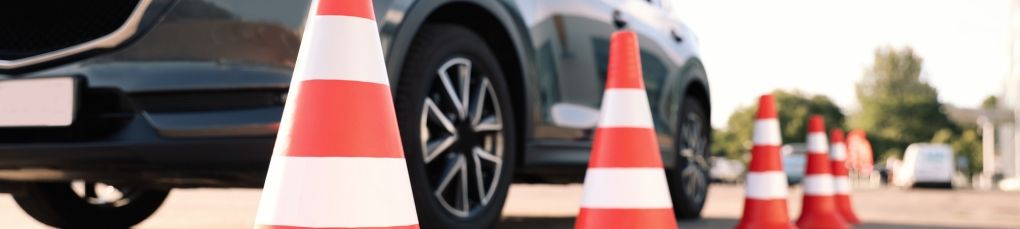
The best way to master manoeuvres in a driving test is by practicing in the right environment. Empty car parks are ideal for perfecting bay parking, giving you plenty of space to refine your accuracy. Quiet residential streets provide a great setting for parallel parking, allowing you to practice positioning without heavy traffic. For pulling up on the right, industrial estates offer a safe and controlled space to build confidence before attempting it on busier roads.
Repetition is Key
Practising regularly helps build muscle memory and confidence. The more you repeat a manoeuvre, the easier it will feel on test day.
Find Your First Car At Birchwood Motor Centre
Picking the right car can make a huge difference in your learning experience. At Birchwood Motor Centre, we offer small, easy-to-drive models that are perfect for learners, along with affordable finance options to make your first car purchase stress-free. Trusted by learner drivers, our reliable vehicles help you build confidence on the road.
Get ready for the road—browse our stock today! Call us now or book a test drive online.
Frequently Asked Questions (FAQ)
How many manoeuvres are in the UK driving test?
You will be tested on one of the three parking manoeuvres, plus possibly an emergency stop.
Do I have to do all the manoeuvres in one driving test?
No, the examiner will ask you to complete only one parking manoeuvre at random.
Can I fail my driving test for bad manoeuvres?
Yes—if your manoeuvre is unsafe or you don’t check for hazards, it could result in a serious fault.
What type of car is best for practising driving test manoeuvres?
A compact, easy-to-control car with good visibility is ideal.